
Virtual Mailbox vs. Traditional Mailbox: Which Is Right for Your Business?
Choosing the right mail solution is a critical decision for any business owner. Your mailbox isn’t just a place to receive letters and packages. It’s part of your business infrastructure, affecting everything from how clients perceive your company to how efficiently you manage daily operations. Today’s entrepreneurs have more options than ever, with traditional physical mailbox rentals and virtual mailbox services both offering distinct advantages. Understanding the differences between these two solutions helps you make an informed choice that aligns with your business model and growth plans.
What Is a Traditional Mailbox Rental?
A traditional mailbox rental gives you a physical mailbox at a fixed location where you can receive mail and packages from all carriers. Unlike a post office box, a private mailbox rental provides you with a real street address that enhances your professional image. You visit the facility to pick up your mail, sign for packages, and access any correspondence that arrives.
These mailboxes work well for businesses that need a local presence, receive regular package deliveries, or prefer the tangible experience of handling their mail in person. Many traditional mailbox services also provide additional amenities like notary services, copying, printing, and shipping assistance, making them convenient one-stop business centers.
Understanding Virtual Mailbox Services
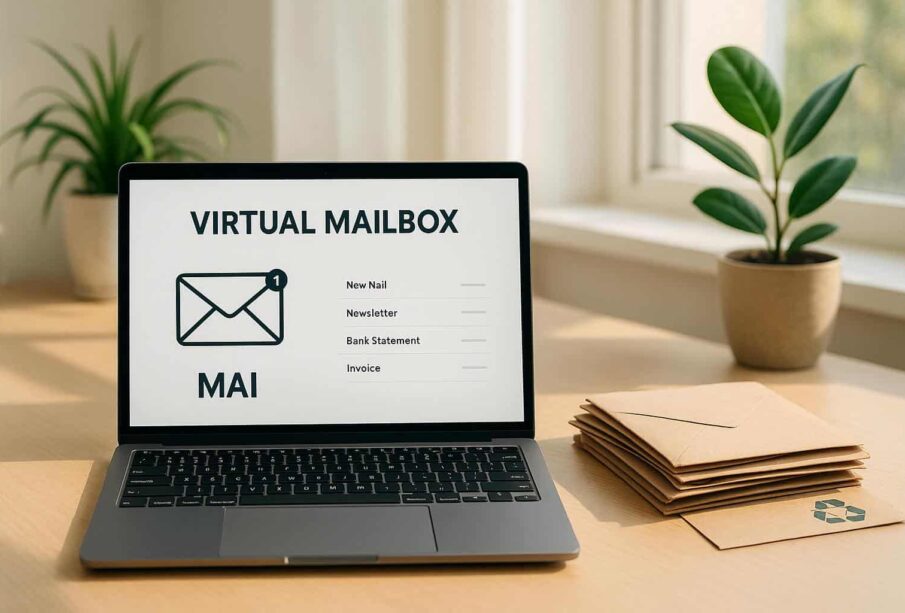
Virtual mailbox services take mail management into the digital age. With a virtual mailbox, mail sent to your business address is received by the service provider, who then scans the exterior of each piece and uploads the images to your secure online account. You can view your mail from anywhere with internet access and decide how to handle each item.
Your options typically include having the mail scanned and emailed to you, forwarded to another address, shredded and recycled, or held for pickup. This digital approach eliminates the need to physically visit a location to check your mail, offering unprecedented flexibility for business owners who travel frequently or manage operations remotely.
Location Independence vs. Local Presence
The most significant difference between these two options is how they relate to physical location. Virtual mailboxes excel at providing location independence. If you run an online business, consult remotely, or travel extensively for work, a virtual mailbox lets you manage correspondence from anywhere in the world. You can be in Tokyo, London, or Boise and still handle your Newport Beach mail the same day it arrives.
Traditional mailboxes serve businesses that benefit from a local physical presence. If you meet clients in the area, need to quickly access original documents, or regularly receive packages that require immediate processing, having a physical location you can visit offers practical advantages. The ability to walk in and retrieve time-sensitive materials or packages that need your immediate attention can be invaluable for certain business operations.
Package Handling Capabilities
Both services accept packages from all major carriers, but they handle them differently. Traditional mailboxes allow you to pick up packages immediately, inspect them in person, and take them with you. This works well for businesses receiving inventory, supplies, or materials needed for daily operations.
Virtual mailbox services notify you when packages arrive and can forward them to your current location. Some providers offer package consolidation, combining multiple deliveries into one shipment to save on forwarding costs. However, forwarding takes time and adds shipping expenses. If you receive frequent package deliveries that need immediate processing, a traditional mailbox might better serve your needs.
Cost Considerations and Value
Pricing structures differ between traditional and virtual mailboxes, and the better value depends on your usage patterns. Traditional mailbox rentals typically charge a flat monthly fee with no additional costs for checking your mail as often as you want. You control when you visit and can access your mail daily if needed without extra charges.
Virtual mailboxes usually have a base monthly fee plus charges for additional services. Scanning mail, forwarding packages, and extra storage all incur costs that can add up quickly if you receive high mail volume. However, if you rarely need mail scanned or forwarded, a virtual mailbox can be more economical than maintaining a physical location you seldom visit.
Security and Privacy Features
Both options provide privacy protection by keeping your home address off public business records. Traditional mailboxes offer physical security, with your mail stored in locked boxes accessible only to you. You maintain direct control over your correspondence and can immediately secure sensitive documents.
Virtual mailboxes provide digital security, with encrypted online access and secure scanning procedures. Reputable providers follow strict protocols for handling confidential mail. However, your mail is handled by service staff who scan or forward it, which some business owners find less secure than personally retrieving physical mail.
Compliance and Legal Considerations
Certain businesses and situations have specific requirements that affect which mailbox type works best. Legal and financial professionals often need original documents with physical signatures, making traditional mailboxes more practical. Some business licenses, permits, or banking requirements mandate a physical address where you can receive official correspondence during business hours.
Virtual mailboxes require completing USPS Form 1583, which authorizes the service provider to receive mail on your behalf. This extra step is necessary for legal compliance but adds a layer of complexity to setup. When you choose Newport Beach Mailboxes & More, staff can guide you through any necessary paperwork and help ensure your chosen solution meets all legal requirements for your specific business type.
Making Your Decision
The right choice depends on your unique business circumstances. Consider how often you travel, whether you need immediate package access, your mail volume, and your budget. Traditional mailboxes suit businesses with local operations, regular package needs, or preferences for hands-on mail management. Virtual mailboxes benefit remote entrepreneurs, frequent travelers, and businesses operating across multiple locations. Many successful business owners eventually use both services for different purposes, maintaining a virtual mailbox for general correspondence while keeping a traditional mailbox in key markets. Evaluate your current needs and anticipated growth to select the solution that supports your business goals most effectively.