Essential Repairs That Can Extend Your Garage Door’s Lifespan
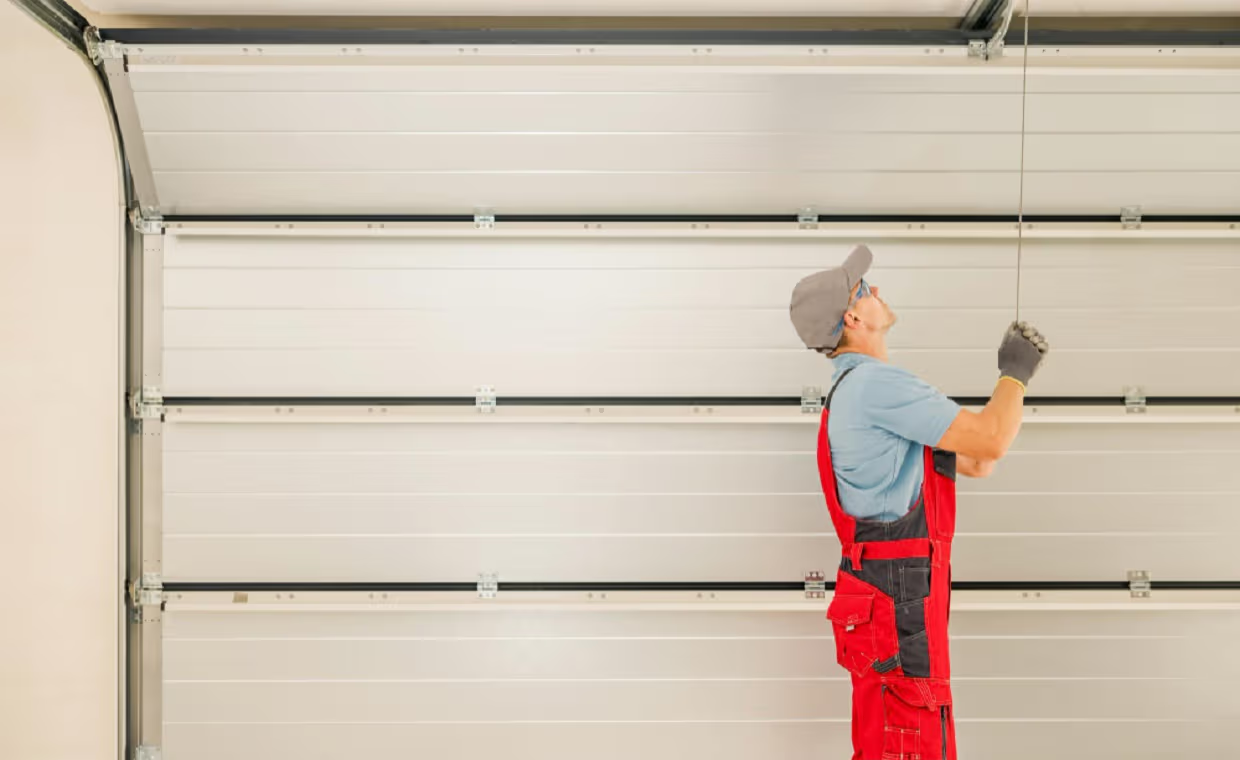
When the familiar hum of your garage door turns into a groan or a stubborn silence, it’s a warning: ignoring garage door issues can cost you more than just convenience. A well-maintained garage door doesn’t just look good; it secures your home, conserves energy, and saves you money in the long run. The secret? Timely, targeted repairs and regular checkups that address problems before they spiral.
Origins of Garage Door Maintenance: Why Repairs Matter Early On
Garage doors endure daily use, weather swings, and the occasional dent from a stray basketball. Early wear often reveals itself through loose hardware, uneven motion, or unfamiliar noises. These small symptoms are more than annoyances. They’re precursors to bigger, costlier failures. Addressing them swiftly is essential for preventing abrupt breakdowns and extending component lifespans.
Routine inspections are your first line of defense. A trained eye can spot issues such as worn springs or fraying cables before they lead to a sudden malfunction. Preventative checks help catch subtle shifts in alignment, which, left unchecked, can place unnecessary strain on the door’s motor and structure.
Mechanical Components and Their Lifespan
Springs are the muscle behind your garage door. Torsion and extension springs each have their strengths, but both gradually lose tension from repeated use. When springs weaken, the entire system is at risk. Failure here often means a door that won’t open or, even worse, one that comes crashing down unexpectedly.
Hardware, too, deserves close attention. Hinges, rollers, and tracks collect dirt, rust, and grime over time. A neglected roller can seize up and force the opener to work overtime, while misaligned tracks make smooth movement impossible. Regular lubrication and prompt replacement of worn parts are crucial for safe, reliable operation.
When hardware like brackets or fasteners fail, address the issue immediately. Small repairs today forestall far more expensive fixes tomorrow, and help avoid inconvenient emergencies.
The Evolution of Door Panels and Impact on Durability
Garage door panels do more than create a visual barrier. A damaged panel can compromise thermal insulation, leading to drafty rooms and higher utility bills. Dents or cracks also allow moisture to creep in, accelerating corrosion and rot.
Knowing when to repair rather than replace is key. Minor dents can often be fixed at a fraction of the cost of a new panel. However, extensive damage or repeated issues may warrant a full replacement. In either case, prioritizing panel integrity protects your home’s comfort and your wallet.
Electric Door Openers: From Basic Motors to Advanced Systems
Electric operators are the silent workhorses of your garage. Yet, issues like faulty bell wires, worn gears, or sluggish motors can emerge after years of service. The most common signal of trouble? Intermittent operation or complete failure.
Troubleshooting these systems starts with examining the simple components: check the power, look for frayed wires, and listen for grinding or clicking sounds. If repairs are needed, replacing worn gears or faulty circuit boards can often restore full functionality. Newer models offer quieter operation, better security, and built-in diagnostics for easier maintenance.
Upgrading an outdated opener is sometimes the smarter choice, providing reliability and peace of mind for years ahead.
Weather Stripping: The Unsung Hero of Garage Door Maintenance
It’s easy to overlook weather stripping until you feel a cold draft or spot water creeping in after a storm. This humble strip of material seals out the elements, maintains your garage’s temperature, and blocks pests.
Over time, weather stripping cracks, shrinks, or detaches. Signs of trouble include visible gaps, brittle rubber, or increased heating costs. Removing old strips and installing new ones is a straightforward repair with big payoffs in energy efficiency and comfort.
Integrating Regular Maintenance for Extended Lifespan
Proactive repairs prevent minor issues from becoming major expenses. Instead of waiting for a crisis, schedule regular professional inspections, especially as your door ages. While some DIY repairs are safe for handy homeowners, components like springs and openers demand expert attention due to their high tension and electrical complexity.
Investing in timely repairs is more cost-effective than waiting for a breakdown. The table below summarizes the relative costs:
| Repair Type | Cost if Addressed Early | Cost if Delayed/Fails |
|———————|————————|———————-|
| Spring Replacement | $150-$300 | $400+ (with panel/motor damage) |
| Panel Repair | $100-$250 | $500+ (full replacement) |
| Opener Tune-Up | $80-$150 | $350+ (replacement) |
| Weather Stripping | $50-$100 | $200+ (insulation loss) |
Choosing experts like Door Doctor garage door repair contractors ensures that repairs are thorough, safe, and effective.
Future Trends in Garage Door Repair and Maintenance
Innovations in materials and technology are reshaping garage door maintenance. Advanced panels offer better insulation, while modern openers include smart diagnostics that detect problems before you notice them. Predictive maintenance, using sensors and automated alerts, lets homeowners address issues with unprecedented precision and speed.
Conclusion: Building a Long-Term Care Plan for Your Garage Door
The key to a long-lasting garage door is simple: respond quickly to warning signs and invest in preventative repairs. Monitor springs, hardware, openers, and weather stripping for early wear. Schedule annual professional inspections, and take advantage of technology that alerts you to potential issues.
By prioritizing timely repairs and strategic upgrades, you’ll keep your garage door running smoothly, lower your energy bills, and avoid the stress of unexpected failures. Ultimately, this approach not only maximizes lifespan but ensures your door remains a reliable guardian for everything you value behind it.