
What High-Performing Teams Do Differently with OKR Software
Let us start with a small truth most teams will not admit out loud. Setting goals is not the hard part. Remembering them mid-quarter is.
OKRs were designed to fix that exact problem. They give teams focus, direction, and a shared definition of what success even looks like. But once organizations grow past a certain size, sticky notes and spreadsheets just do not cut it anymore. That is when OKR software steps into the picture, not as a magic fix, but as a practical enabler.
Why OKRs Feel Great on Paper and Messy in Real Life
On day one, everyone is excited. Objectives look sharp. Key Results feel ambitious.
Then real work begins and suddenly:
- Updates are scattered
- Check-ins feel rushed
- Alignment starts slipping quietly
This is where OKR software becomes valuable. Especially when implemented properly with guidance from experts like Wave Nine, who focus on adoption, and not just tool setup. Their approach helps teams move OKRs from “quarterly paperwork” to something people actually use during the week.
Use Case no. 1: Weekly Check-Ins Without the Pain
Weekly check-ins should not feel like status interrogations. With OKR software, teams can:
- Update progress asynchronously
- See real-time Key Result movement
- Spend meetings discussing blockers instead of numbers
Less chasing. More clarity. Honestly, fewer awkward silences, too.
Use Case no. 2: Real Alignment Across Teams
Misalignment rarely looks dramatic. It is subtle. Dangerous, even. OKR platforms make alignment visible by:
- Connecting team OKRs to company objectives
- Showing how daily work contributes upward
- Highlighting overlaps and gaps early
Marketing, product, and sales stop operating in parallel universes at last.
Use Case no. 3: Saying Goodbye to Spreadsheet Chaos
Let us talk about those Excel files that most of you might have created and offered the name with a certain extension.
However, OKR software replaces this mess with:
- One source of truth
- Version control without the anxiety
- Cleaner, easier-to-read dashboards
It is not glamorous. It is just deeply relieving.
Use Case no. 4: Investor and Leadership Reporting Made Simple
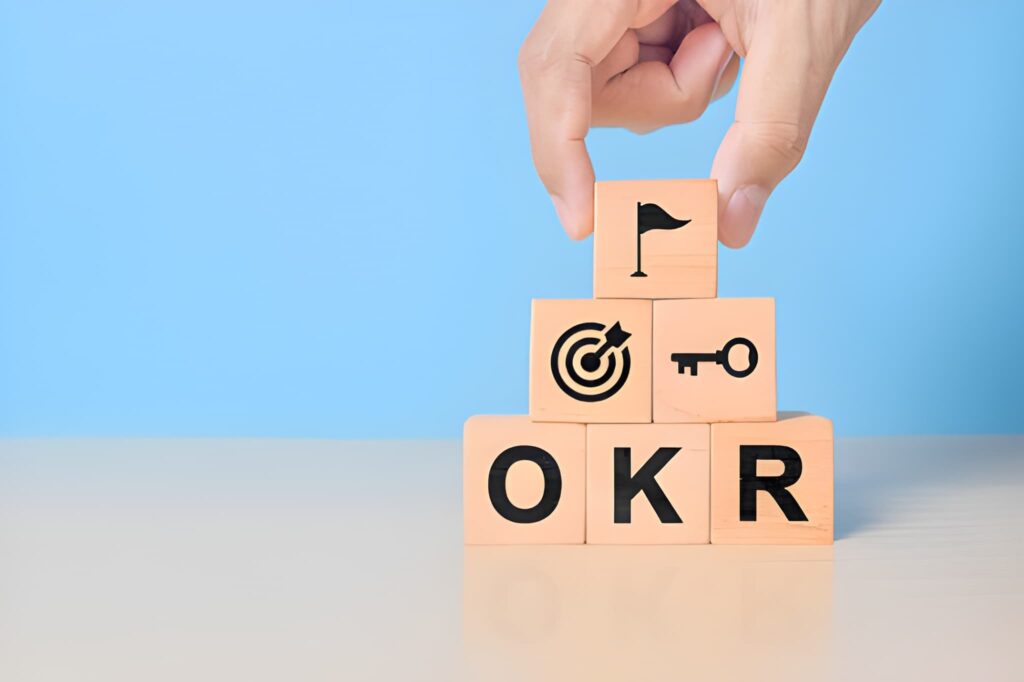
Most OKR tools allow:
- Automated progress summaries
- Clean exports for leadership or investors
- Consistent data pulled straight from live updates
Which means fewer late nights before board meetings, which is a big win.
Use Case no. 5: Visibility Without Micromanagement
Founders and leaders want insight, not noise.
OKR software gives:
- A top-level view of progress across teams
- Early warning signs when goals slip
- Confidence that priorities are being tracked
All without hovering. That matters.
Use Case no. 6: Turning OKRs Into a Habit, Not a Ceremony
The biggest win? Adoption. When OKR software is rolled out properly:
- Check-ins become routine
- OKRs stay visible week after week
- Teams actually remember what they committed to
That is where long-term impact lives.
Final Thoughts
OKR software is not about dashboards. Or metrics. Or shiny tools. It is about helping teams stay focused when work gets noisy. Used thoughtfully and supported by the right rollout, it becomes less of a system and more of a rhythm. And that is when OKRs finally start working.