Getting Started with H Piles: What Every New Builder Should Understand
Few moments in construction are as pivotal as selecting your foundational support, and for many new builders, H piles stand out for their strength, adaptability, and reliability. If you are wondering how to approach your first project involving H piles, understanding the essentials is crucial to prevent costly mistakes and set up your structure for long-term success.
What Are H Piles and Why Are They Used?
Defining H Piles: Shape, Material, and Design
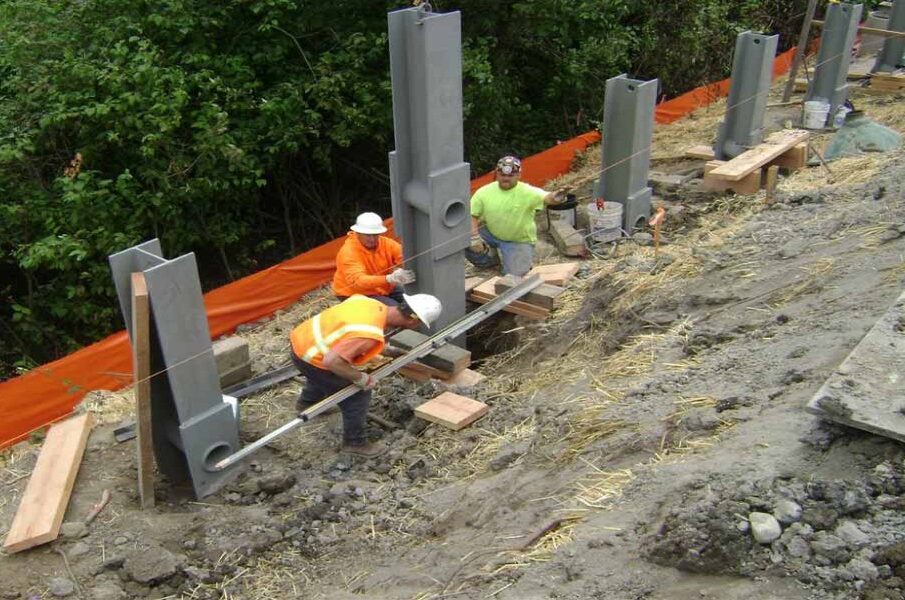
H piles get their name from their distinctive cross-section, which looks exactly like the letter “H” when viewed from the end. Made of rolled steel, these piles offer parallel flange widths, ensuring a symmetrical shape that delivers consistent strength in both axes. The design allows for efficient weight transfer into the ground while resisting bending and buckling, qualities that make H piles indispensable in demanding building environments.
Key Applications in Construction and Infrastructure
You will spot H piles in bridge supports, retaining walls, deep foundations for buildings, marine docks, and even solar farm platforms. Their high axial load capacity means they can be driven through tough soil layers or even into bedrock, making them a go-to choice for projects with challenging ground conditions. Whether the job is a skyscraper or a simple road barrier, H piles often form the unseen backbone.
Comparing H Piles to Other Piling Types
Why not just use pipes or timber piles? H piles offer superior load-bearing capabilities compared to timber and are less likely to deform than hollow pipe piles in certain situations. While pipe piles can carry larger volumes of concrete internally and are sometimes better for soft soils, H piles excel in rocky terrains and when driving deep is necessary. Their minimal soil displacement during installation can also be a key advantage.
How Do You Choose the Right H Pile for Your Project?
Understanding Load Requirements and Soil Conditions
The starting point for any H pile selection is a deep understanding of both the weight your foundation must support and the type of ground it will penetrate. Soft, clay-heavy soils versus dense, rocky ones require very different pile lengths, diameters, and steel grades. Geotechnical studies and structural calculations are not optional, they are your insurance against future settlement or shift.
Common Sizes, Grades, and Steel Types Explained
Most suppliers stock a range of H pile sizes, with flange widths and web thicknesses tailored for different applications. Typical steel grades include A500 and A252, each offering varying levels of strength and corrosion resistance. Surplus and structural grades are often available for less critical jobs, while commercial grades suit high-load scenarios.
When to Opt for Coated or Treated Piles
If your site is prone to water exposure, chemical leaching, or is in a marine environment, coated or treated piles are recommended. Options range from factory-applied epoxy coatings to galvanized finishes, all designed to slow corrosion and extend pile lifespan. Coatings add cost but can prevent major repairs down the line.
What Equipment and Techniques Are Needed to Install H Piles?
Overview of Driving Methods: Impact, Vibratory, and Press-in
Installing H piles involves driving them deep into the ground, and this can be accomplished using impact hammers, vibratory drivers, or hydraulic press-in methods. Impact driving is powerful and suited for rocky soil, while vibratory methods are quieter (essential in urban areas) but best for granular soils. Press-in piling is preferred for sensitive sites where minimal vibration is needed.
Essential Machinery and Site Preparation Tips
Pile driving rigs, cranes, and hydraulic tools are standard on any site installing H piles. Proper site preparation, leveling, clearing obstructions, and planning access for heavy machinery, cannot be overlooked. Efficient staging of piles and equipment minimizes delays and safety risks.
Safety Measures During Installation
Pile driving is noisy, forceful, and potentially dangerous. Always enforce hard hat zones, hearing protection, and equipment inspections. Monitoring for underground utilities and following engineered driving plans keeps both personnel and infrastructure safe.
How Are H Piles Maintained and Inspected Over Time?
Signs of Wear, Corrosion, and Damage to Watch For
Over years, even steel will show signs of fatigue, rust, or mechanical damage. Keep an eye out for flaking, pitting, or any section loss on exposed portions, especially in aggressive environments.
Routine Inspection Protocols and Tools
Routine checks can involve ultrasonic thickness gauges, visual inspections, and load tests. Creating a schedule for periodic review helps catch issues early, preventing small defects from turning into structural failures.
Repair and Replacement Options
Minor corrosion can often be addressed by cleaning and patch-coating. Severe deterioration may require welding or even full replacement, particularly if structural integrity is compromised.
What Are the Cost Considerations and Project Planning Tips?
Budgeting for Materials, Equipment, and Labor
Material costs are just the beginning. Factor in equipment rental, site prep, and skilled labor. Requesting pricing from multiple suppliers can help control costs without sacrificing quality.
Scheduling and Coordinating with Other Construction Phases
Pile installation must fit seamlessly within your broader timeline, as delays here affect everything above ground. Coordinate deliveries, inspections, and driving with other trades to avoid bottlenecks.
Common Pitfalls and How to Avoid Them
Rushing soil studies or underestimating machine requirements are classic mistakes. Plan thoroughly, and remember that investing in good surveys and equipment pays off tenfold in project stability.
Where Can Builders Source Quality H Piles and Related Services?
Evaluating Suppliers: What to Look For
Not all suppliers are equal. Look for those who offer certified steel grades, reliable delivery, and technical support. Transparency in inventory and traceability are good indicators of credibility.
Additional Services: Cutting, Welding, Coating, and More
Many providers go beyond simple sales, offering cut-to-length, welding, beveling, and custom coatings. These services can save time and ensure piles arrive site-ready.
Leveraging Local vs. National Providers
Local suppliers may reduce shipping costs and lead times, but national outfits often have greater inventory and service capabilities. Choosing the right fit depends on your project’s scale and timeline.
For builders exploring resources, companies like h piles Stealth Pipe and Steel provide a comprehensive range of piling materials, grades, and processing services, all in one place.
What Are Frequently Asked Questions from New Builders?
Can H Piles Be Used in All Soil Types?
H piles are extremely versatile but perform best in dense soils or when driven to refusal on rock. For soft soils, they may need to be used in combination with other methods.
How Deep Should H Piles Be Driven?
There is no universal depth. Piles are driven until they reach load-bearing strata, as determined by site-specific engineering.
Are H Piles Recyclable or Reusable?
Steel H piles are both recyclable and, in some cases, reusable after extraction, making them a sustainable choice for many applications.
—
Building with H piles requires a blend of technical know-how, quality materials, and careful planning. Armed with these fundamentals, new builders can lay a foundation that stands the test of time.